

As a Microsoft partner, we understand our customers' needs and use the right tools to meet those needs. We've noticed that organizations are always looking for ways to improve efficiency and productivity.
One of the new additions to the Microsoft ecosystem is the concept of multi-tenant organizations (MTOs). This article explores not only the value of MTOs, but also how they can contribute to better and more efficient collaboration.
Traditionally, a tenant serves, among other things, to manage user access and identity.
Some concrete examples of multi-tenant organizations:
In principle, we are talking about organizations that must constantly collaborate.
Advantages of Multi-Tenant Organizations (MTO)
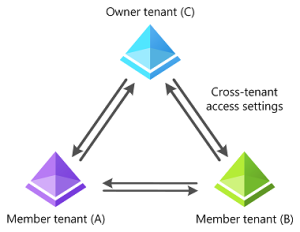
Microsoft 365 multi-tenant organization is a new level of management that can encompass up to 5 traditional tenants, one being the master and the others being members.
With a master tenant holding the central role and the others being members, it allows for selective synchronization of user 'attributes'. Here are some of the major advantages of MTO:
With a master tenant, the administration of the organization becomes more efficient. This includes configuring and managing synchronization, which reduces the administrative burden on the customer. In addition, it allows for more efficient management of security and compliance. Through mutual trust between tenants, it is easier to establish security policies and ensure compliance with internal regulations.
In short, increased security and less work on your part.
From the concrete situations we encounter with the client, we find this functionality extremely useful because it solves a real need, a need that until now was only partially satisfied.